



As a designer who has modelled slot math for two decades, I treat every payout promise like a paytable: if the rules are vague, the expected value is already slipping. Avoiding online casino withdrawal scams starts with the same habit I use when auditing a new reel set – read the fine print, test the edge, and never trust a headline. I’ve watched players in Geelong lose an arvo to sites that looked glossy until the cash-out window closed. The real work is knowing which signs to ignore and which to chase.
I run every promised bonus through the same variance check I apply to a fresh paytable, because a flashy welcome offer rarely survives a close look at the wagering requirements. When a brand’s terms shift faster than the RNG cycle, I stop chasing the headline and verify the operator’s payout history through an independent audit at https://spinago-review-hub.com/. That habit keeps the expected value intact and ensures the money actually lands where the fine print says it should.
What a Withdrawal Red Flag Actually Looks Like
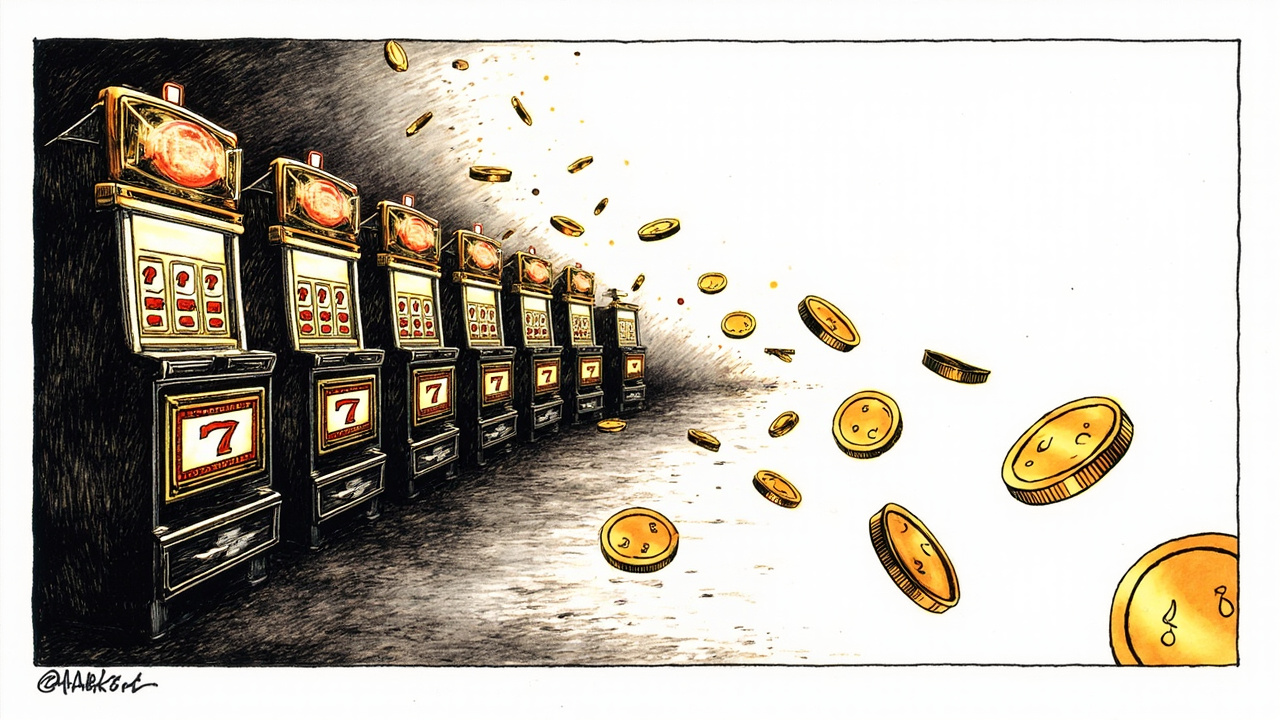
A scam rarely arrives as a dramatic freeze; it usually wears the clothes of a normal bonus or a friendly chat prompt. From a modelling standpoint, I look for three tell-tale patterns. First, the bonus terms quietly shift the wagering burden onto the withdrawal itself, so a player who clears a free spin round still can’t touch the winnings without meeting a separate turnover that was never obvious at sign-up. Second, the payment page asks for documents that don’t match the account details, like a utility bill in a different name or a card that doesn’t align with the registered holder. Third, the support team keeps moving the goalposts – each reply adds a new condition rather than resolving the original request. I’ve built skill-gaming rounds where the payout triggers only after a clean, logged sequence; when a casino’s process feels like a moving target, that’s the same structural flaw dressed up as customer care. If you want a side-by-side on how bonus mechanics can quietly complicate cash-outs, the breakdown in no deposit Sic Bo bonuses lays out the trap clearly.
How to Weigh a Site Before You Trust It With Cash
Read the withdrawal rules as a payout schedule
I approach a site’s withdrawal page the way I’d audit uptownpokiesnodeposit.com a bonus buy feature: every condition should be countable, not vague. A legitimate operator states the processing window in hours or business days, lists the exact documents required, and names the currencies and methods that actually move money out – not just in. I’ve seen Geelong punters get caught because the site accepted Australian dollars for deposits but quietly converted withdrawals to a different currency with a hidden spread. Check whether the same payment rail you used to deposit is available for withdrawal, and whether the site caps the amount per transaction or per week. If the rules read like a riddle, walk away.
Test the support before you need it
A quick, low-stakes question often reveals more than a polished homepage. Send a short message about a specific withdrawal scenario – say, a card payout that partially overlaps with a bonus balance – and note whether the reply names a timeframe, a document, and a next step. Vague reassurances, copy-pasted policy links, or a request to “wait for the team” are all warning signs. I’ve designed player-facing flows where clarity at the first friction point predicts the whole experience; the same logic applies here. A site that can’t explain a straightforward cash-out in plain terms usually can’t handle a real one under pressure.
| What to check | What a clean site shows | What raises suspicion |
|---|---|---|
| Processing window | Stated in hours or business days, applied consistently | “Up to 7 days” with no start time or business-day definition |
| Required documents | Exact list, matched to the registered account | Requests for extra IDs, different names, or unrelated cards |
| Payment rails | Same method available for deposit and withdrawal where feasible | Deposit methods listed, withdrawal methods hidden or limited |
| Bonus interaction | Clear separation between bonus balance and withdrawable cash | Turnover or lock applied only at the cash-out stage |
Matching the Site to How You Actually Play
The right choice depends on how often you play, how you prefer to move money, and how much patience you have for paperwork. If you log in for a quiet session on a Tuesday arvo and want a card payout that lands without a scavenger hunt, prioritise operators that publish a narrow, consistent processing window and keep the same payment method available both ways. If you chase bonuses, treat the wagering maths like a paytable: calculate the effective turnover, not the advertised number, and confirm that the winnings become withdrawable only after the stated conditions, not after a new set of hidden rules. Sophie Watson, Strategy Director at Eucalypt Digital Advisory, puts it plainly: “A withdrawal process that can’t be explained in one plain sentence is usually a process that can’t be completed in one plain session.” I’d add that a site’s mobile flow matters too – if the cash-out screen asks you to re-enter details that were already verified, that friction is often a sign the back-end isn’t holding the account state cleanly. Pick the operator whose rules you can read once and trust twice.
The strongest protection is a habit, not a slogan. Read the withdrawal terms as if they were a reel strip – every condition should line up, every step should be countable, and anything that shifts after you’ve signed up is a reason to pause. Verify the payment rails, ask one concrete support question, and treat any vague reassurance as a red flag. Avoiding online casino withdrawal scams comes down to the same discipline I use when testing a new game: if the mechanics don’t hold up under a straightforward read, don’t put your money behind them.A Clearer Look At No Deposit