



Understanding Casino Operations
To dive into the debate about whether casinos are rigged, it’s essential to first understand how casinos operate. Casinos are highly regulated venues that must adhere to strict laws and regulations imposed by governing bodies. These regulations ensure that games are fair and that players have a reasonable chance of winning. In addition, players often explore various options, including uk casino sister sites , to find the best platforms that offer favorable odds and exciting games. Casino operators utilize Random Number Generators (RNGs) in electronic games to ensure that each outcome is random and unbiased. This technology is vital in maintaining trust and integrity within the gaming industry.
Moreover, the gaming industry is subject to regular audits and checks by independent organizations. These entities verify the fairness of the games, the accuracy of payout percentages, and the overall transparency of operations. For instance, reputable casinos will publish their payout percentages, providing players with insight into their chances of winning. This level of oversight demonstrates a commitment to fair play, countering the perception that casinos manipulate games for profit.
In addition, the concept of house edge further explains how casinos operate. The house edge is the mathematical advantage that the casino has over the player in any given game. For example, in games like blackjack or roulette, the house edge is built into the rules, meaning while players can win in the short term, over time, the odds favor the casino. This isn’t cheating; it’s simply the nature of the game. Understanding this concept helps dispel the myth that casinos are rigged against players.
Myths Surrounding Rigged Casinos
One of the most prevalent myths about casinos is that they are inherently rigged to prevent players from winning. Many people believe that casinos use deceptive practices to ensure that the house always comes out on top. While it’s true that the house has an advantage, suggesting that casinos actively rig games is a misunderstanding of how they operate. In reality, achieving long-term profit is based more on the mathematical probabilities inherent in each game rather than manipulation.
Another common misconception is that certain machines or tables are “hot” or “cold” based on player luck. This belief leads many gamblers to think that they can predict when a machine will pay out based on previous outcomes. However, each spin or play is independent of the last, thanks to RNG technology. The outcome of a spin is not influenced by previous spins, thereby debunking the idea that casinos rig outcomes based on perceived trends.

Add to this the notion that casinos employ staff to manipulate outcomes, which is another myth worth addressing. While cheating can occur, it is generally perpetrated by players trying to exploit the system rather than the casino itself. Reputable casinos have extensive security measures in place to prevent fraud and ensure the integrity of games. Surveillance systems, staff training, and strict policies help maintain a fair environment for both the gaming establishment and its patrons.
The Role of Regulation and Oversight
Regulatory bodies play a crucial role in maintaining the integrity of casinos and ensuring that they operate fairly. For example, in jurisdictions where gambling is legal, casinos must obtain licenses from authorities that rigorously vet their operations. These licenses can be revoked if a casino is found to be operating unfairly or engaging in deceptive practices. In this way, regulatory oversight acts as a safeguard for players, providing assurance that they are engaging with a legitimate establishment.
In addition to licensing, regulatory agencies often conduct surprise inspections and audits to monitor compliance with fairness standards. They examine various aspects of casino operations, such as the accuracy of gaming software and payout rates. This consistent scrutiny helps ensure that players are not being cheated and that the games are genuinely random and fair. The existence of these checks combats the narrative that casinos can operate freely without accountability.
Moreover, player advocacy groups and consumer protection organizations also add layers of scrutiny. They work to inform players of their rights and the fairness of various gaming options. These organizations can amplify issues related to unfair practices and work with regulators to address concerns. The collaboration between players, regulators, and advocacy groups reinforces the integrity of the gaming industry and the legitimacy of casino operations.
Understanding the House Edge
The house edge is often misunderstood, leading players to think that casinos are rigged against them. While the house edge guarantees profitability for casinos, it does not equate to rigging games. Each game is designed with specific odds that favor the casino, meaning players can still win, but over the long run, the odds are structured to return a portion of winnings to the casino. This aspect is crucial for players to grasp, as it influences their expectations when gambling.
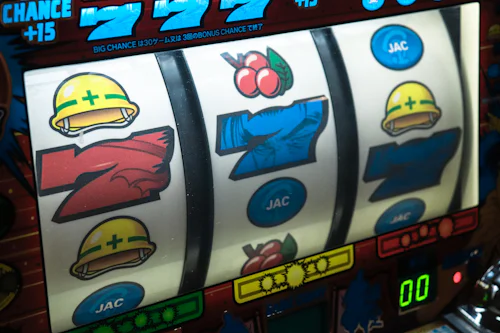
For instance, a game like poker has a different structure than slot machines. In poker, players compete against each other, and the house takes a small percentage of the pot as its profit. On the other hand, slot machines are designed with programmed odds that give the machine a fixed percentage of payouts. Understanding these differences is vital for players who wish to gamble responsibly and with realistic expectations about winning.
Furthermore, recognizing the house edge also helps players develop strategies to mitigate losses. In games where skill is involved, like poker or blackjack, players can employ strategies to decrease the house’s advantage. This knowledge empowers players to make informed decisions, rather than falling prey to the belief that casinos are rigged. Ultimately, understanding the house edge provides clarity about the nature of gambling and dispels the myth of rigged games.
Final Thoughts on Casinos and Fair Play
In conclusion, the narrative that casinos are rigged often stems from misunderstandings and misperceptions about how gambling works. While it is true that casinos operate with a house edge, this doesn’t imply that outcomes are manipulated or unfair. Through regulation, oversight, and the use of technology, casinos strive to maintain integrity and provide a fair gaming experience for all players. Understanding the operational dynamics of casinos is vital for gamblers to enjoy their experience without falling victim to misconceptions.
As players continue to enjoy games of chance, it’s important to approach gambling with knowledge and awareness. The myths surrounding rigged casinos can be damaging and create a sense of distrust. However, by recognizing the fairness standards upheld by reputable casinos, players can engage with confidence and enjoy their gaming experience. With the right information, players can view gambling as a form of entertainment rather than a means to an end.
For those seeking more information about casinos and gaming practices, educational resources and expert insights can be invaluable. Websites dedicated to gaming education can provide players with the tools they need to understand the intricacies of games, the role of luck versus skill, and how to gamble responsibly. By fostering an informed gaming community, we can ensure that players enjoy their experiences while remaining aware of the realities of the casino environment.